
- January 12, 2026
- Risha Walden
Interior design pricing in New Jersey can be confusing because no two projects are the same, and the ranges you see online usually mix national averages with local realities. Many properties in Millburn, Short Hills, Montclair, Maplewood, Summit, Westfield, and surrounding towns are colonial, Tudor Revival, or Victorian. These homes often need more customization, more built-ins, and more coordination with trades than newer construction.
This guide gives you a clear, honest breakdown of what interior design typically costs in this region and what drives those numbers. When you understand the factors behind the fees, it becomes much easier to plan your project and set realistic expectations.
What Determines Interior Design Cost in Northern New Jersey
Interior design pricing is shaped by a small set of key factors. Understanding these factors helps you see how your choices directly affect your overall investment.
Project scope
Project scope refers to how much of your home is being designed. A single room refresh is very different from redesigning multiple spaces or an entire house. In Northern NJ, many homes feature multiple separated rooms rather than modern open layouts, which means more individual spaces to plan, design, and furnish. The larger the scope, the more coordination, design development, sourcing, and installation are required—all of which increase total project labor.
Service level
Designers offer several levels of service. Some homeowners want guidance only: selecting colors, improving layouts, or refining furniture choices as needed. Others want full-service design, which includes complete design development, sourcing every piece, managing orders, coordinating delivery, and overseeing installations.
The more time the designer must devote to your project, the more comprehensive the service and the higher the total cost.
Materials and finishes
Materials and finishes are the surface elements of your home—cabinetry, countertops, tile, flooring, wall treatments, and hardware. They define the look and durability of your spaces.
Custom cabinetry, built-ins, or other solutions made especially for the existing architecture are often needed for older homes. However, more standardized choices and off-the-shelf materials can help control costs without sacrificing the quality of the final product.
Furniture and decor
Furniture selection plays a major role in project budgets. Custom furnishings built specifically for your home involve higher manufacturing costs and longer lead times. Retail- or trade-sourced furnishings can be more cost-efficient while still delivering a curated look when assembled thoughtfully.
Decor layers like rugs, lighting, window treatments, and artwork also add dimensional cost. Each category introduces its own purchase, shipping, installation, and styling considerations.
Labor and contractor costs
Interior design does not stop at selecting items. Coordinating trades, working alongside contractors, communicating with installers, and managing logistics all fall under the design process.
This layer is particularly important in Northern New Jersey, where many homes involve renovation coordination. Greater coordination means more design labor and a longer project timeline, which impacts overall cost.
Timeline and project complexity
Project timelines also influence cost. Expedited schedules require concentrated work from designers and vendors. Projects involving renovations typically extend timelines and add layers of complexity due to permits, scheduling dependencies, inspections, and construction sequencing.
Want to see cost ranges for full kitchen redesigns in Northern New Jersey? Read our kitchen pricing breakdown here.
How Interior Designers in Northern New Jersey Charge for Their Work
Local Northern NJ designers generally charge using a few core pricing structures. Each model fits a different type of homeowner, project size, and comfort level with upfront investment. Understanding how these models work will help you choose the one that best aligns with your goals and your budget.
Hourly Pricing Model
Hourly design is most often chosen by homeowners who want flexibility or who are not comfortable committing to a large upfront flat fee. In Northern New Jersey, hourly rates typically range between $100 and $300 per hour, depending on the designer’s experience and the firm’s scale.
Flat Fee Pricing Model
Flat fees are commonly used for full-service design projects where the scope can be clearly defined in advance. Instead of paying by the hour, clients agree to a fixed design fee that covers the entire design process.
In Northern New Jersey, flat fees for single-room projects typically start at $5,000 and can reach $20,000 or more depending on complexity. Full home design fees commonly range from $40,000 to $100,000+, especially when multiple rooms, custom millwork, or construction are involved.
Percentage of Project Cost Model
Some designers charge a percentage of the total project spend rather than a flat fee or hourly rate. This model aligns design compensation directly with overall project scale.
Percentage-based fees typically fall between 10% and 30% of the total project cost. Higher percentages usually apply to smaller projects that require the same baseline workload as larger homes, while lower percentages apply to large multi-room projects where total spending increases.
This model is less common today than flat-fee structures, but it is still used by some firms, particularly for renovation-driven projects.
Markup on Furnishings Model
Another common approach is a markup on furnishings and materials purchased through the designer. Instead of charging a separate sourcing or procurement fee, the designer applies a markup to items ordered on the client’s behalf. This markup covers time spent researching products, managing orders, coordinating deliveries, inspecting pieces, arranging installations, and resolving logistics. It typically ranges between 20% and 40% across most design firms.
Consultation Services
Nearly all designers begin a project with a paid consultation. This is an entry service that establishes scope, clarity, and fit between homeowner and designer.
In Northern New Jersey, consultations typically range from $200 to $650, depending on the duration, the depth of feedback provided, and whether deliverables such as written recommendations or layout concepts are included.
Deposits, Retainers, and Payment Scheduling
Most interior designers require an upfront deposit to begin work. This secures the designer’s time and reserves project scheduling.
Deposits typically range from 20% to 50% of the total design fee. For flat-fee projects, a common upfront payment percentage is 50%.
Typical Cost Ranges in Northern New Jersey
Once you understand how interior designers charge for their work, the next question is what your overall project budget usually covers. The ranges below reflect common spending levels across homes in suburbs such as Millburn, Maplewood, Montclair, Summit, Westfield, Florham Park, and surrounding towns.
Furniture & Decor
Furniture is often the largest portion of most furnishing-focused projects.
Typical ranges include:
• Living room furnishing: $30,000 – $75,000
• Designer sofa: $5,000 – $12,000
• Primary bedroom furnishings: $25,000–$60,000
• Dining room furniture: $5,000 – $15,000
• Area carpets: $3,500 – $12,000
• Window treatments: $1,000–$5,000+ per room
• Artwork or large framed pieces: $500–$5,000 per piece
Custom furniture and bespoke millwork typically cost 30%–50% more than off-the-shelf furnishings due to tailored fabrication and customization.
Materials & Finishes
Northern New Jersey homes frequently require custom detailing and finish work to fit older layouts or renovation upgrades.
Typical ranges include:
• Wood flooring or tile installed: $10–$25 per sq ft
• Quartz or granite countertops installed: $50–$200 per sq ft
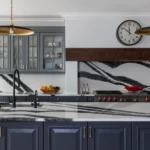
• Kitchen finishes and cabinetry: $30,000–$75,000+
• Bathroom finishes and materials: $15,000–$40,000
These costs cover cabinetry, hardware, countertops, backsplashes, tile, and specialty finishes common in kitchen and bath projects.
Labor & Contractor Costs
For construction-based projects like kitchens, bathrooms, or structural renovations, older Northern New Jersey homes often require coordination across multiple trades, including electricians, carpenters, tile installers, painters, plumbers, and millworkers.
Typical contractor ranges include:
• Light renovation labor: $25,000 – $75,000
• Full gut renovation or major remodeling: $100,000 – $300,000+
Installation crews, delivery logistics, and assembly teams can add additional cost depending on project size and complexity.
Examples of Real Project Costs in Northern New Jersey
The projects below reflect real design work completed by Walden Interiors within the past year. They show how different scopes and design decisions translate into total project costs.
Primary Bedroom Project
Scope
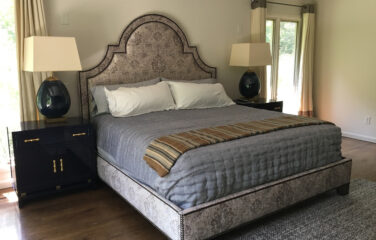
Complete redesign of the primary bedroom, including new furnishings, refinished flooring, carpet installation, wall treatments, lighting, new doors, and custom cabinetry. The walk-in closet was reconfigured and redesigned with updated lighting, finishes, and carpet. The adjacent bathroom received minor updates, including a new medicine cabinet, faucet, hardware, window treatments, and wallpaper.
Design Fee (Flat Fee):
$11,000
Project Costs
• Bedroom total with labor: $70,000
• Bathroom updates with labor: $9,000
• Closet renovation with labor: $3,000
Labor Breakdown
Total labor across the project: $18,000
Included contractor work, plumbing, electrical, painting, and wallpaper installation.
Because work was performed across multiple adjacent rooms, labor was priced as one combined scope rather than separated room by room.
Total Project Investment
Approximately $93,000
Primary Cost Drivers
The largest cost driver was a custom arched wall cabinetry designed specifically for the space. Additional savings were achieved by replacing the originally selected bed and desk with alternate options that maintained the design intent while reducing product costs.
Tudor Revival Home
Scope
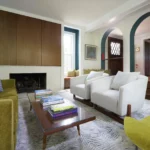
Redesign of the living room, family room, and foyer in a Tudor Revival home. Work included custom built-ins, fireplace redesign, furnishing selections, window treatments, reupholstery and refinishing of existing furniture, and decorative upgrades throughout. Floors were kept as is. Contractor and painter services were sourced directly by the homeowner.
Design Fee (Flat Fee):
$12,200
Project Costs
• Living room: $58,000
(included fireplace renovation and custom bench built-ins)
• Family room: $33,000
(existing carpet and some furniture were retained; new sofas were purchased)
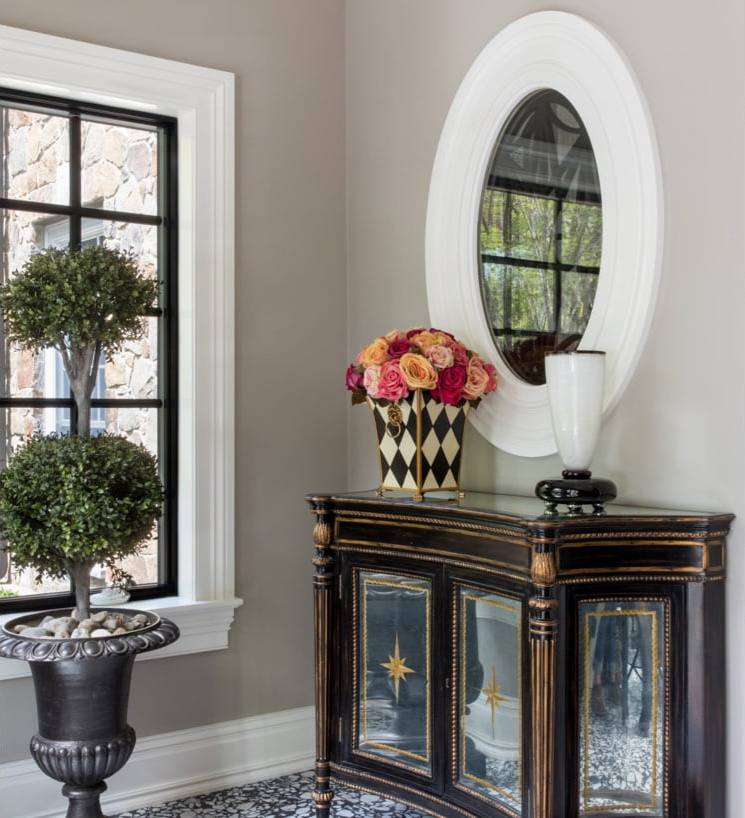
• Foyer: $13,500
Total Project Investment
Approximately $117,000
(excluding homeowner-managed contractor costs)
Primary Cost Drivers
Major budget drivers included the fireplace renovation, custom-built-in benches, and window treatments, which consistently represent a significant portion of project totals. The reuse of several existing furniture pieces in the family room helped moderate overall spending in that space.
One Maplewood, NJ home designed by Walden Interiors was recently featured in NJ Home Magazine for its thoughtful balance of modern design and architectural character.
The project reflects the level of planning, coordination, and investment that is often required for well-executed Northern New Jersey interiors.
View the full NJ Home Magazine feature →
How to Plan Your Interior Design Budget in Northern New Jersey
Planning your project starts with understanding how you live in your home, what spaces actually matter most to you, and how your home functions in reality. Working primarily with older properties across the region, I help clients translate lifestyle goals into clear, practical design decisions before spending begins. If part of your budget is going toward a kitchen renovation, it helps to speak with a kitchen designer in New Jersey before construction decisions are made.
Here are the ways I guide clients to plan their projects with clarity and confidence.
Prioritize the Rooms That Matter Most
Rather than spreading a budget evenly across the entire home, I help clients identify the spaces that will create the greatest improvement to daily living. This usually means focusing on primary bedrooms, living areas, kitchens, or entry spaces that see the most use and define how the home feels day to day.
Clarify Scope Before Spending Begins
A clear scope prevents overspending and redesign cycles. I guide clients in deciding exactly what is included in the project before purchasing begins so that design hours, furnishings, materials, and contractor involvement stay aligned with expectations.
Source Trades Familiar With Northern New Jersey Homes
Many homes in this region are older and require contractors who understand the quirks of historic layouts, aging infrastructure, and renovation constraints. I leverage established relationships with local tradespeople who are accustomed to working in these types of homes, helping projects run more efficiently and reducing the likelihood of costly corrections.
Balance Custom and Smart Sourcing
Not every element needs to be custom to achieve a high-end result. I help clients decide where bespoke pieces will have the highest impact and where thoughtfully sourced furnishings or materials can achieve the same design effect at a lower overall cost.
Plan With Realistic Contingencies
Older homes frequently reveal unknown conditions once work begins. I advise clients to maintain practical financial buffers so that discoveries behind walls or flooring adjustments do not stall or derail a project midstream.
Once you have a rough budget, the next step is choosing the right designer. You can read my guide on how to choose an interior designer in Northern New Jersey here.
Bring Your Vision To Life With Walden Interiors
Frequently Asked Questions
$100–$400/hr depending on experience and market.
$5,000–$20,000+ for most projects.
$10,000–$40,000 for most Northern NJ projects.
Both models are common depending on project size and the design firm.
$30,000–$75,000 per room or $65,000–$162,000+ for a whole home. Focusing only on furniture limits the value of full-service design. A cohesive result comes from coordinating layout, lighting, finishes, window treatments, and installation planning alongside furnishings so the room functions and feels complete rather than pieced together.
Yes. Older Northern NJ homes often require more detailed planning and coordination.
Markup covers sourcing, ordering, vendor coordination, inspections, and installation logistics.
Rooms: 2+ months
Full homes: 6-10 months
Renovations: longer based on permitting and construction timelines
Conclusion
A clear, direct conversation with your designer at the very beginning is one of the most important parts of a successful project. It helps define priorities, align expectations, and establish a realistic investment range before work begins, so both you and your designer move forward with confidence and clarity.